
ANTI-WRINKLE CREAMS: ARE YOU AWARE OF THESE DANGERS?
The proliferation of anti-wrinkle creams in the beauty-product market has been a constant, major concern for healthcare stakeholders. This is not to disprove, absolutely, that some of them do work and help users remove their crow’s feet and lines on their faces, but are these users fully aware that anti-wrinkle creams might also have some disastrous side-effects?
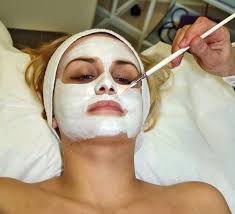
Cosmeceuticals
Cosmeceuticals, as anti-aging products (creams) have been called since the 1980s—a ploy to avoid being controlled by Food and Drug Administration (FDA), which did not have a category named “Cosmeceuticals”—are not properly regulated. Some of them have not been subjected to the rigorous clinical tests that are necessary in determining chemical products’ usefulness, safety and efficiency. This is why users of anti-wrinkle creams are advised to consider the following dangers associated with those creams before endangering their skins.
Some side-effects of anti-wrinkle products
For years, dermatologists have expressed grave worries about some side-effects linked to the regular use of anti-wrinkle creams. Here are some dangerous repercussions anti-aging cream users should consider:
- Removal of the protective skin: The first layer of human skin (epidermis) serves as the protective layer for the dermis (inner layer immediately under it). However, most anti-aging creams contain alpha-hydroxy acids (AHA) or/and Bisabolol (lovemenol) that work to remove the epidermis so that the cream can penetrate easily into the user’s skin. In this way, the removal of epidermis (the outermost protective skin layer) may give way for bacterial and viral infections on the skin or cause malignant melanoma.
- Feeling of irritation: Some anti-wrinkle creams have been found to produce intense skin irritation after being used. This is due to the presence of limonene, a liquid hydrocarbon that may not be safe for use in large amount.
- Cancer threat: Limonene is also known to be a carcinogen, a substance that is capable of causing cancer. Repeated applications of anti-aging creams on one’s body may increase the risk of having cancerous skin or other skin infections.
For the fact that the widely popular anti-aging phenomenon has caused many unsuspecting people to embrace the use of anti-wrinkle creams, the only precaution anyone can take is to be careful in applying these creams on their bodies. This is because many of the anti-wrinkle creams in the market have not been clinically certified as safe for use, and their rate of efficiency is yet to be proved beyond every reasonable doubt.
