
PROTECT YOUR CHILD (CHILDREN) FROM THESE 5 COMMUNICABLE DISEASES
Children, by their nature, are mostly adventurous. In the course of playing around carelessly, they could put themselves in an uncomfortable circumstance by contracting some dangerous diseases from sick people in their surroundings. As adults, parents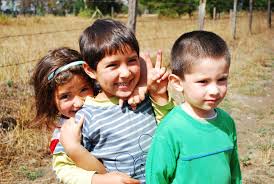 should safeguard their children’s lives by making sure that they are not exposed to dangerous situations that could affect their well-being. Outlined below are ten communicable diseases your child may be exposed to if you don’t properly look after him/her every passing moment:
- The common cold (Acute Viral Rhinitis)
Symptoms: Sneezing, runny nose, itching of throat and nose, and muscle aches
Transmission: Direct contact with an infected person, inhaling of respiratory droplets, or contact with items that already have the virus
Treatment: Your child will be treated based on the medical symptoms he/she is exhibiting
- Conjunctivitis (Pink eye)
Symptoms: Eye pain, pinkness or redness of the mucous membrane that covers the eyelid, and some yellowish or whitish discharge
Transmission: Contact with the discharge from an infected person or contact with the secretions from the upper respiratory section of the infected person. And having a contact with objects already contaminated with the discharge can also lead to infection
Treatment: an Infected person with conjunctivitis should be examined by his/her doctor. Conjunctivitis caused by bacterial or fungal infections may be treated with an antimicrobial medication
- Hepatitis A
Symptoms: Children under the age of 6 may not show any symptoms, but those who are older may have a fever, jaundice, loss of appetite, abdominal pain, nausea, and vomiting
Transmission: Hepatitis A can be spread by contact with infected person’s feces.
Treatment: Take your child to see your physician. Initial blood test is required to detect this disease
- Herpes Simples virus (also known as “cold sores” or “fever blister”)
Symptoms: Fluid-filled blisters or lesions on the skin, usually on lip or face. Once infected, the virus (herpes simplex virus, HSV-1) that causes the disease will remain latent for life in the body of the infected person, except being brought out by stress, food allergies, trauma, or pregnancy.
Transmission: Contact with the saliva of the infected person or with the fluid coming out of the blisters/lesions
Treatment: There is no known treatment for herpes simplex virus (HSV-1), but its symptoms may be treated. See your doctor with your child to identify which medication can reduce the painful effect of the lesions/blisters
- Influenza (The Flu)
Symptoms: Unexpected high fever, headache, chills, fatigues, muscle aches, runny nose, and sore throat. Nausea, diarrhea, and vomiting can occur, too
Transmission: Direct contact with droplets from the infected person’s eyes, mouth, hands, or nose
Treatment: Antiviral medication used within 48 hours of the disease’s onset
If your child is suffering from a weak-immunity syndrome, make sure you inform his/her school teachers about it. They will be able to take good care of him/her, too, and when the situation arises, they will prevent him/her from sitting next to an infected student, from whom he/she can easily contract a disease.
